
Navigation · Civic leadership · Public education
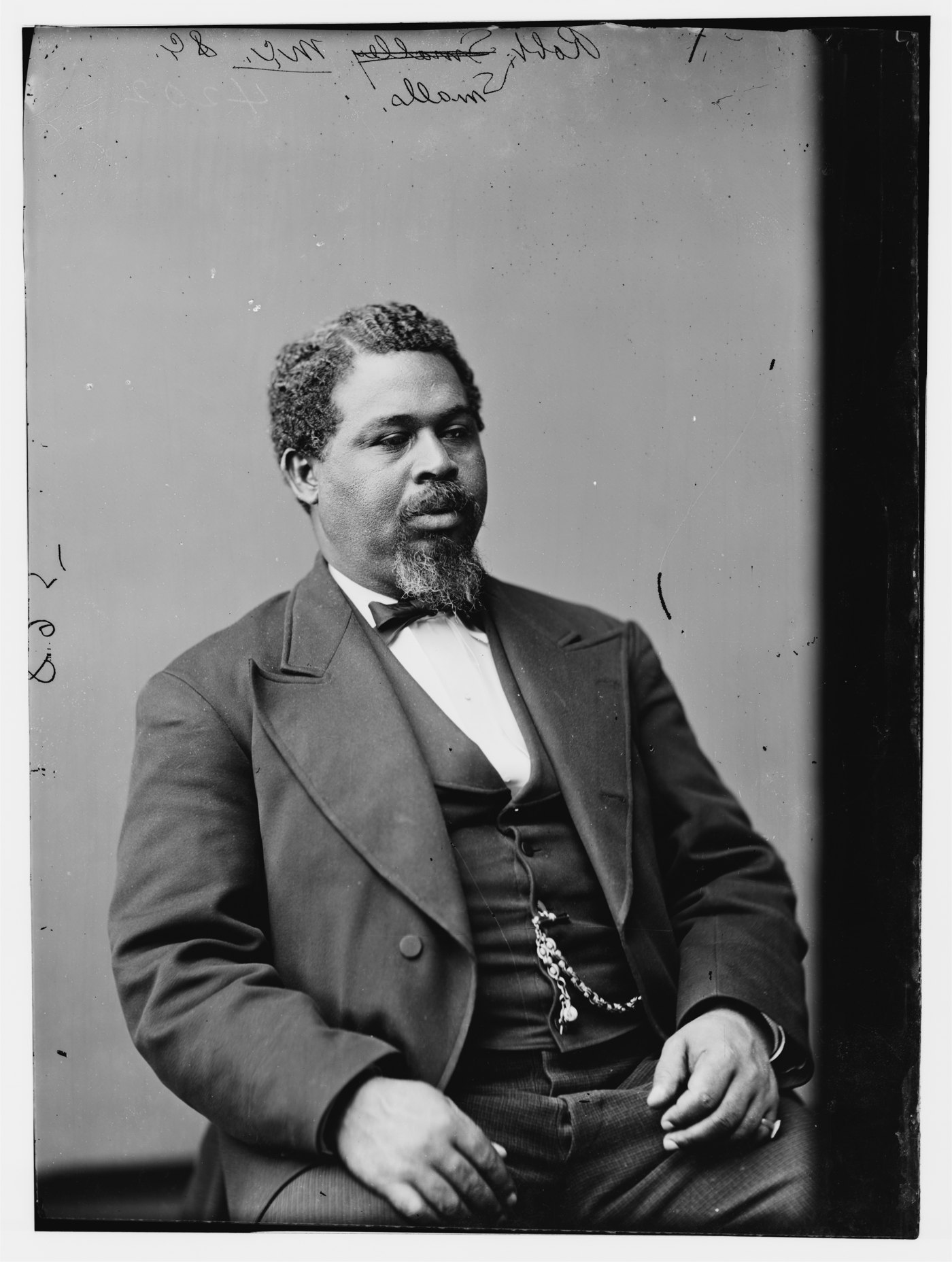
Robert Smalls
1839–1915
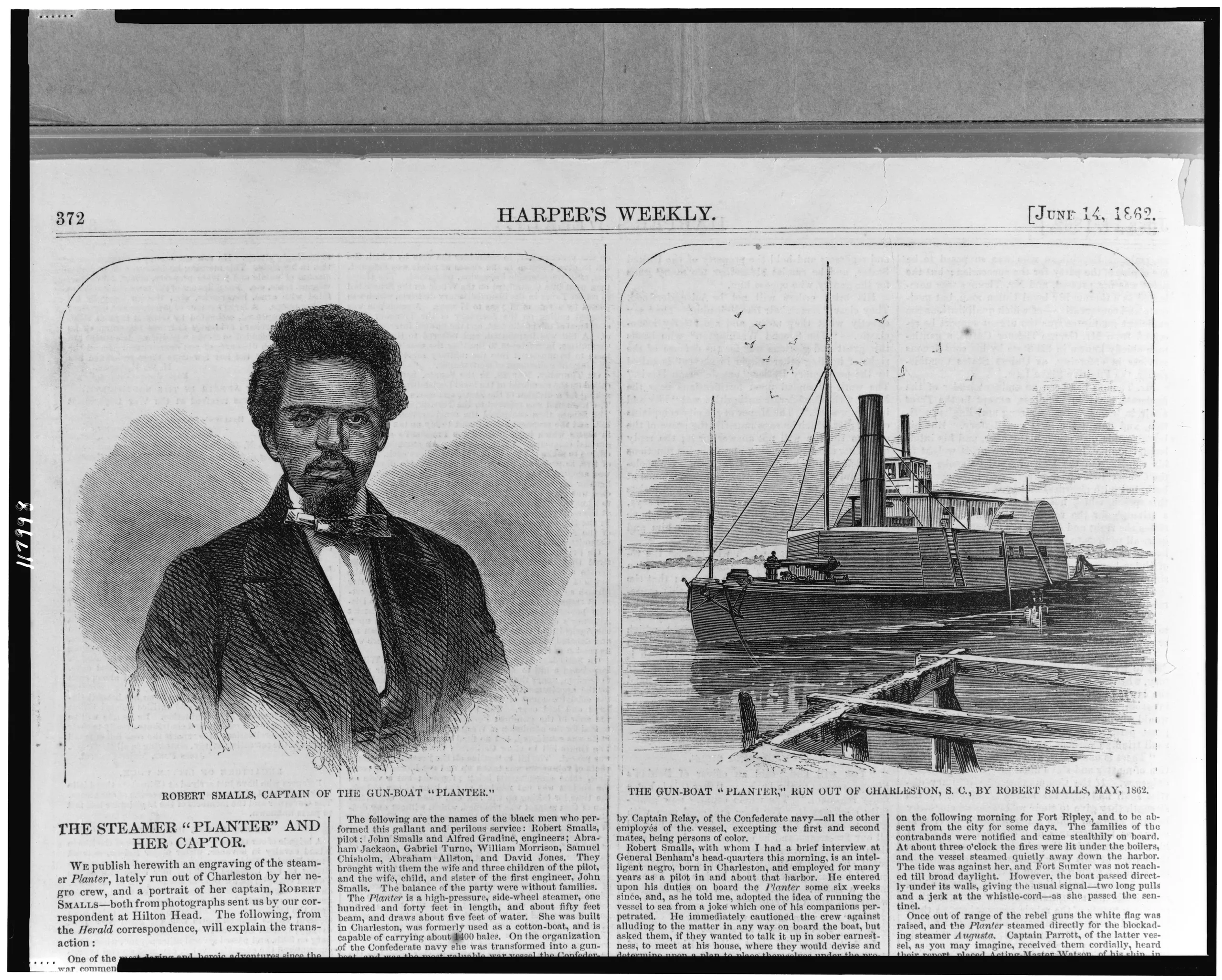
Smalls used his knowledge of Charleston Harbor to lead fellow enslaved people and their families to freedom aboard the Planter in 1862. He later served as a ship captain and elected leader in South Carolina and Congress. His life connects skilled navigation with collective action and public service.[1],[2]
Read this story
Smalls used his knowledge of Charleston Harbor to lead fellow enslaved people and their families to freedom aboard the Planter in 1862. He later served as a ship captain and elected leader in South Carolina and Congress. His life connects skilled navigation with collective action and public service.[1],[2]
Local connection. National coastal connection: compare harbor navigation with San Francisco Bay's maritime geography, without claiming he worked there.
Impact reached: Fellow freedom seekers and their families; South Carolina residents; United States public life. (Impact describes who was reached; it is not a place of residence.)
From institutional research
Deeper context
The Planter
National Park Service · 2025-06-02
According to National Park Service: The Planter was a Charleston-built sidewheel steamer used by Confederate forces. The escape on May 13, 1862 required coordinated work by crew members and their families, knowledge of harbor signals, and navigation past forts. The NPS account names collaborators including Abram Allston, John Small, Alfred Gourdine, and others, giving the story more depth than a lone-hero retelling.[3]
Inquiry & making
Inquiry and making prompt
Draw a safe route through an imaginary harbor. Which landmarks and signals would help a boat's crew navigate?
Places
Where Robert was born, had roots or studied, and worked — distinguished from where their impact reached.
- Born
- Beaufort, South Carolina
- Roots / education
- South Carolina Lowcountry
- Worked
- Charleston Harbor, South Carolina; Beaufort, South Carolina; Washington, D.C.
| Relationship | Documented place | Map point | Sources |
|---|---|---|---|
| Birthplace | Beaufort, South Carolina | Beaufort city, SCCensus representative point | [1][2] |
| Work | Charleston Harbor, South Carolina | Charleston city, SCCensus representative point | [1][2] |
| Work | Beaufort, South Carolina | Beaufort city, SCCensus representative point | [1][2] |
| Work | Washington, D.C. | Washington city, DCCensus representative point | [1][2] |
| Roots / education | South Carolina Lowcountry | Not mapped — Broad state, region, country, or non-geographic identity: no defensible point assigned. | |
Timeline
1839
Born — Beaufort, South Carolina[1],[2]
Date from the article's life dates/text; see references.
1862
Smalls used his knowledge of Charleston Harbor to lead fellow enslaved people and their families to freedom aboard the Planter in 1862.[1],[2]
Date from the article's life dates/text; see references.
1862
The escape on May 13, 1862 required coordinated work by crew members and their families, knowledge of harbor signals, and navigation past forts.[3]
1915
Date from the article's life dates/text; see references.
Gallery
Portrait plus 1 source-grounded contextual item. Every image links to its source record.
References
- [1]National Park Service: Robert Smalls
Supports: Life, harbor expertise, collective escape, captaincy, and political service.
- [2]Library of Congress: Robert Smalls Resource Guide
Supports: Career and congressional service, plus primary-source pathways.
- [3]The Planter
National Park Service · 2025-06-02
Supports: The Planter was a Charleston-built sidewheel steamer used by Confederate forces. The escape on May 13, 1862 required coordinated work by crew members and their families, knowledge of harbor signals, and navigation past forts. The NPS account names collaborators including Abram Allston, John Small, Alfred Gourdine, and others, giving the story more depth than a lone-hero retelling.
Last reviewed 2026-11-08 · Initial research edition · Record ID robert-smalls. A curated, source-informed article — not openly editable and not independently scholar-reviewed. Corrections process.