
Edition 1.0
The Yearbook
Uses your browser's print dialog — choose “Save as PDF” to keep a copy.
Black Muze Initiative
36
lives
Edition 1.0 · 2026-11-08
№ 14 · STEM
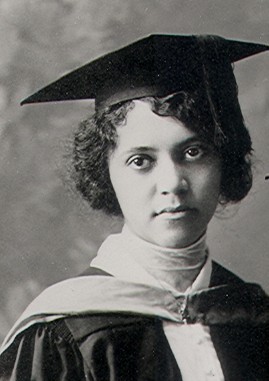
Alice Augusta Ball
1892–1916 · Chemistry, Medicine, Public health
Ball developed a chemical process that made compounds from chaulmoogra oil usable as an injectable treatment for Hansen’s disease. Working at the College of Hawaiʻi, she solved a practical problem in medicine. Her contribution was initially appropriated by others, and recognition of the Ball Method came later.
Image: Alice Augusta Ball, 1915; University of Hawaiʻi via Wikimedia Commons; photographer unknown
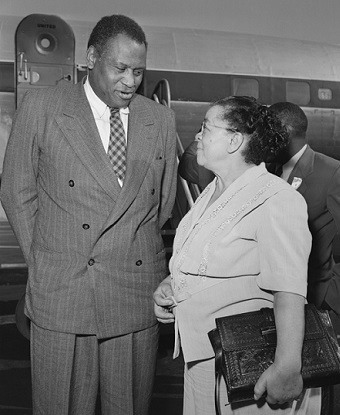
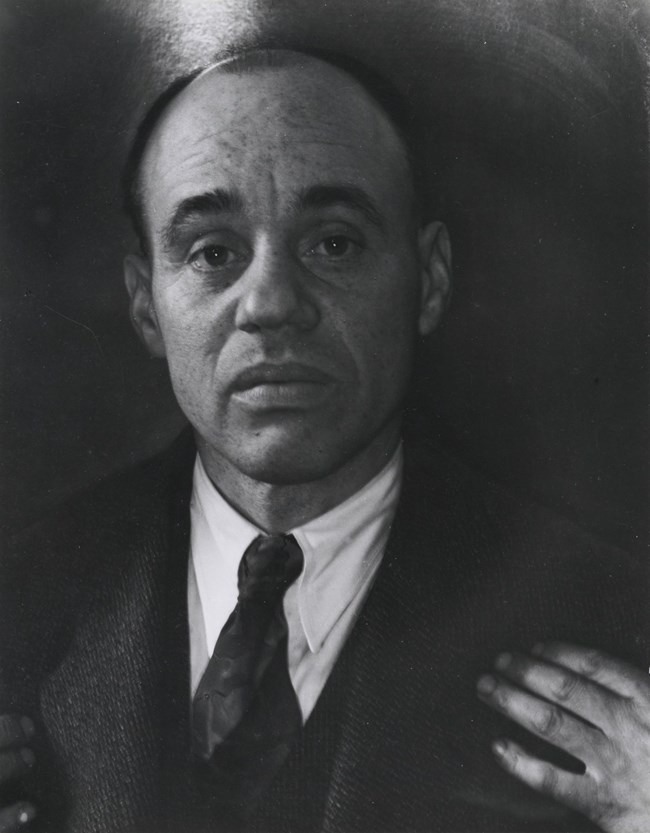
Charlotta Bass (right, holding papers) with Paul Robeson (left), 1949.
№ 06 · Humanities
Charlotta Bass
1874–1969 (NPS dates) · Journalism, Publishing, Civic participation
Bass published the California Eagle in Los Angeles and used its reporting to challenge housing and employment discrimination. She championed Black businesses and civil liberties. In 1952, she became the first African American woman nominated for U.S. vice president, running on the Progressive Party ticket.
Image: Charlotta Bass with Paul Robeson, 1949; National Park Service
№ 07 · Both
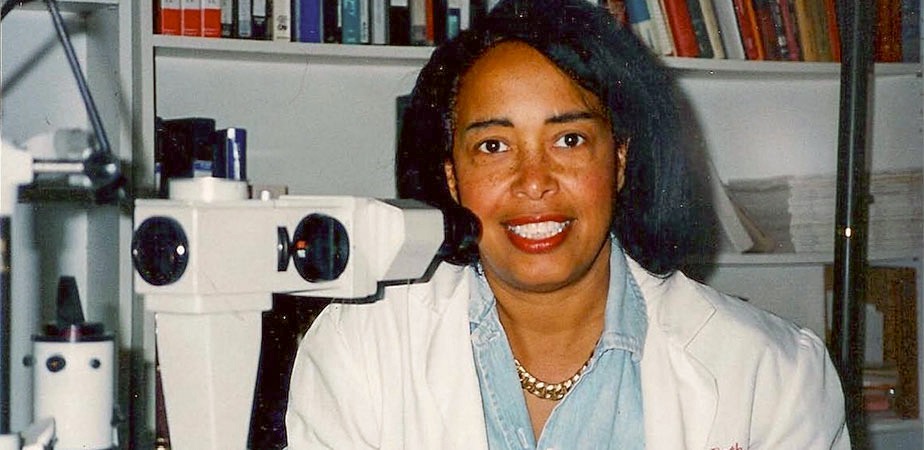
Patricia Bath
1942–2019 · Medicine, Invention, Health equity
Bath was an ophthalmologist who developed the Laserphaco method and patented a device for removing cataracts. She taught at UCLA and Charles R. Drew University and co-founded the American Institute for the Prevention of Blindness. Her work joined medical invention with a commitment to expanding access to eye care.
Image: Courtesy of Eraka Bath, via USPTO; Patricia Bath in her laboratory in the 1990s
№ 15 · Humanities
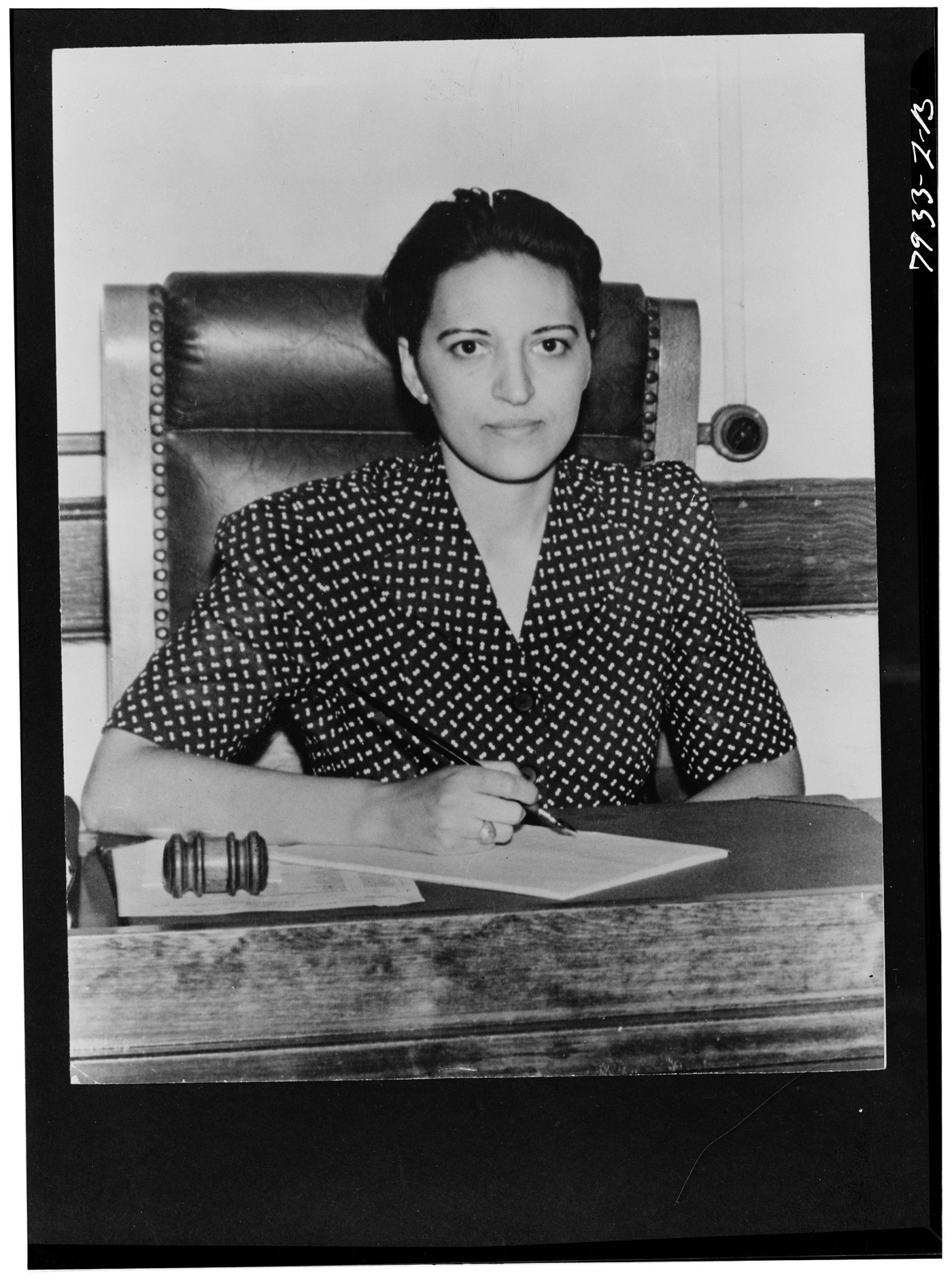
Jane Bolin
1908–2007 · Law, Children's rights, Public service
In 1939, Bolin became the first Black woman appointed a judge in the United States. During four decades on New York City's family court bench, she advocated for children and challenged racial discrimination in the court system. Her importance extends beyond a milestone appointment to sustained public service.
Image: Jane Bolin, 1942. Library of Congress, Prints and Photographs Division, Farm Security Administration/Office of War Information Black-and-White Negatives, LC-USF344-007933-ZB, LOT 953, digital ID fsa.8e04218.
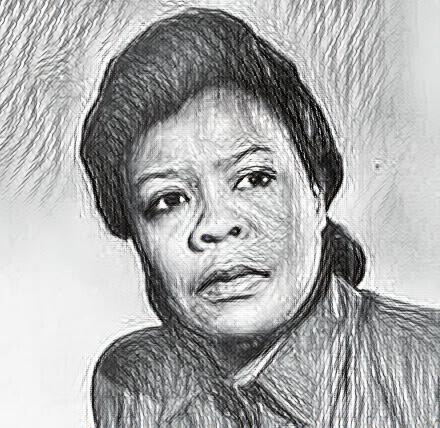
Portrait illustration
№ 16 · STEM
Marie Van Brittan Brown
1922–1999 · Invention, Electronics, Home safety
Brown and her husband, Albert Brown, developed a home-security design that combined a camera, monitor, two-way communication, remote door control, and an alarm. They received a patent in 1969. The system addressed a problem she experienced personally and became a reference for later security inventions.
Image: Portrait illustration presented by Lemelson-MIT; artist not identified on the inspected page
№ 17 · Humanities
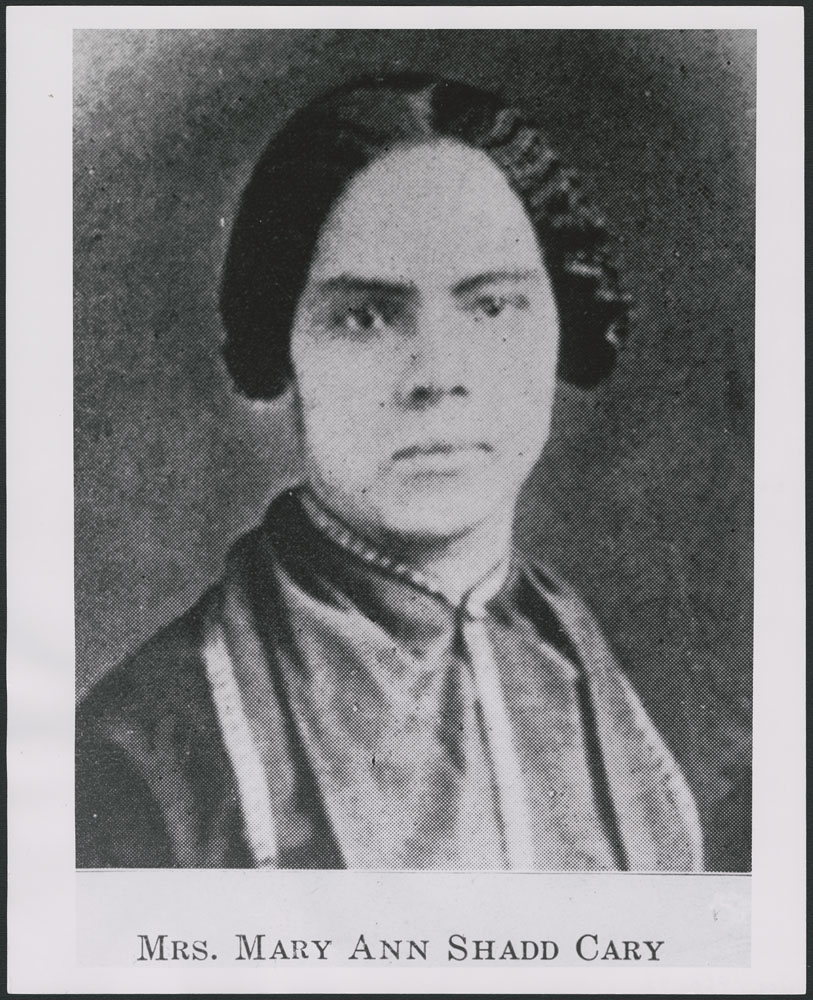
Mary Ann Shadd Cary
1823–1893 · Journalism, Education, Law, Civil rights
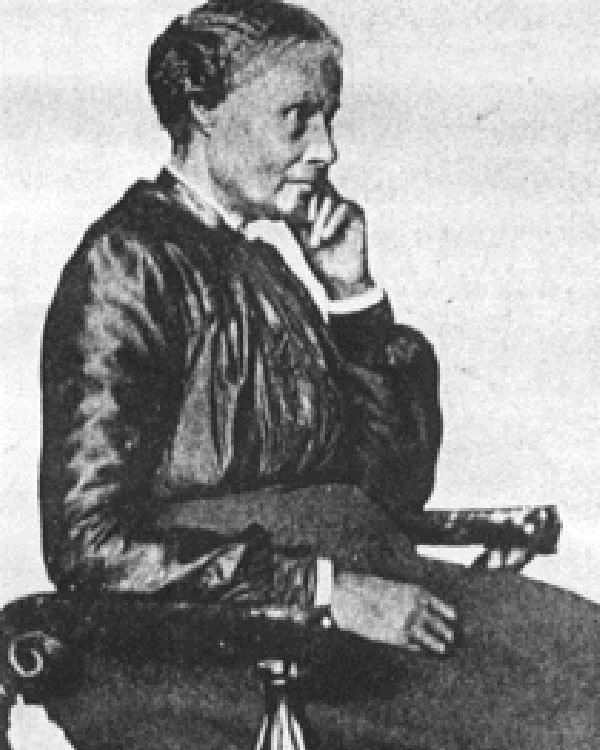
Shadd Cary opened an integrated school in Windsor and began publishing The Provincial Freeman in 1853. She used education and journalism to oppose slavery and advocate for Black communities. After returning to the United States, she continued public service and advocated for women's voting rights.
Image: Library and Archives Canada, Mary Ann Shadd Cary collection, e011536885; BiblioArchives / LibraryArchives, via Wikimedia Commons. Historical portrait, 1855–1860; photographer unknown.
№ 01 · Humanities
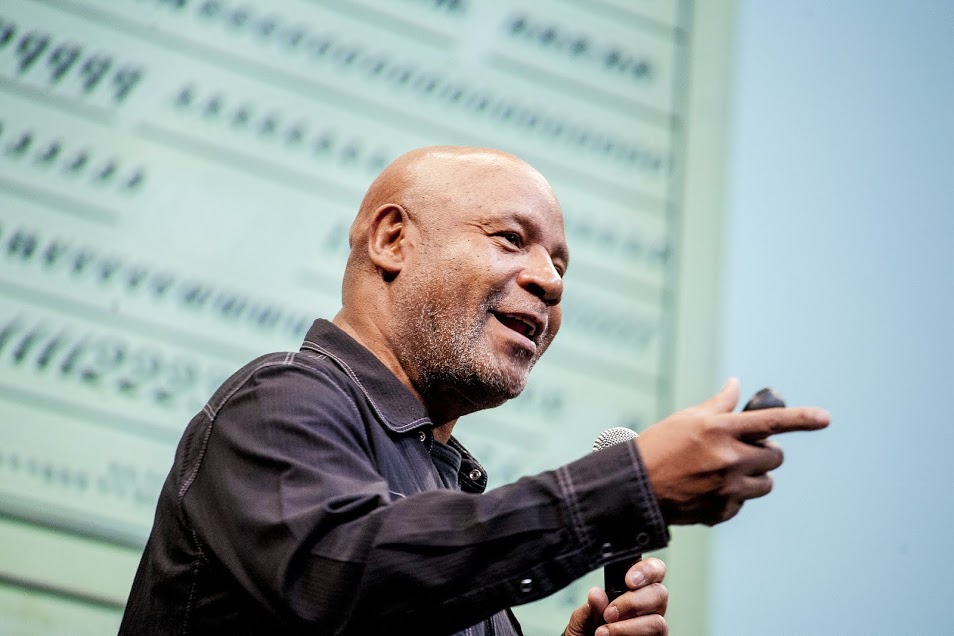
Emory Douglas
Born 1943 · Graphic design, Illustration, Visual communication
Douglas created the distinctive visual language of the Black Panther Party’s newspaper using illustration, collage, strong lines, and text. His images addressed community needs and injustice. Working from the Bay Area, he demonstrated how graphic design could communicate ideas to broad audiences and support collective action.
Image: Amber Gregory / FontShop, Emory Douglas at TYPO San Francisco 2014, CC BY 2.0, via Wikimedia Commons.
№ 18 · STEM
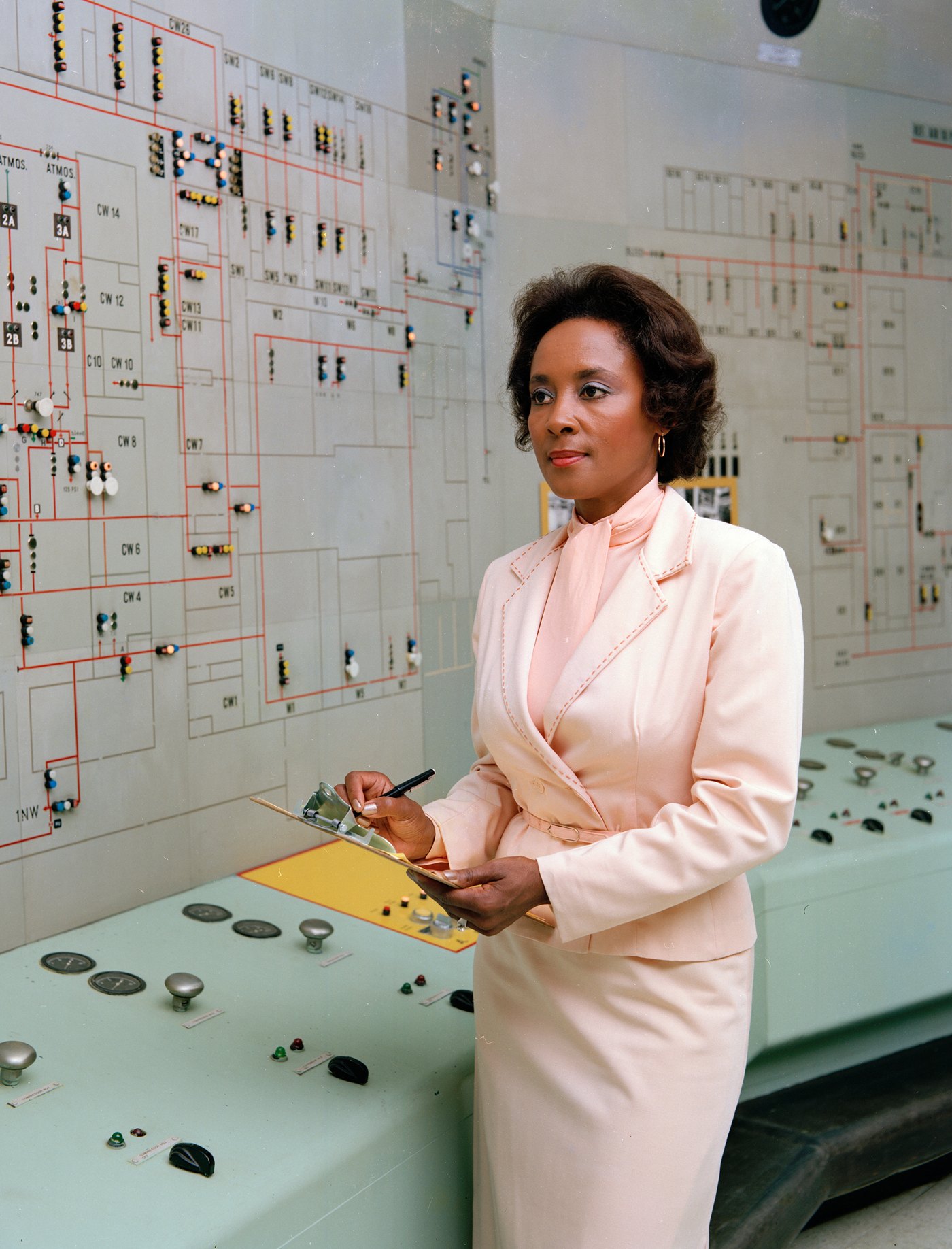
Annie Easley
1933–2011 · Computer science, Mathematics, Energy research
Easley began calculating by hand for NACA in 1955 and became a computer programmer as the technology changed. Her work supported research on the Centaur rocket stage, energy conversion, and batteries. She also tutored students and served as an equal-employment-opportunity counselor at NASA.
Image: NASA Glenn Research Center, GRC-1981-C-03691 (1981).
№ 08 · STEM
Evelyn Boyd Granville
1924–2023 · Mathematics, Computer programming, Education
Granville earned a mathematics doctorate at Yale in 1949 and used early computers on space-program calculations, including work associated with Vanguard and Mercury. She later taught mathematics at California State University, Los Angeles, and in Texas, and co-authored a mathematics textbook for teachers.
Image: Yale University Library exhibition; page credits SUNY Buffalo's Mathematicians of the African Diaspora resource
№ 09 · Humanities
Augustus F. Hawkins
1907–2007 · Public service, Education policy, Labor rights
Hawkins represented Californians in the state legislature and then in Congress, where he worked to expand educational and economic opportunity. His long career emphasized employment, civil rights, and access to schooling. He chaired the House Education and Labor Committee and pursued practical changes through legislation and collaboration.
Image: Collection of the U.S. House of Representatives
№ 02 · Humanities
Sargent Claude Johnson
1888–1967 (birth year varies by source) · Sculpture, Ceramics, Public art
Johnson created sculpture, ceramics, mosaics, and public artworks that portrayed Black people with beauty and dignity. Based in the Bay Area, he contributed to the Black Renaissance beyond Harlem. His designs include the entrance frieze and sea-form mosaics at San Francisco’s Maritime Museum in Aquatic Park.
Image: Consuelo Kanaga, 1934; Brooklyn Museum, via National Park Service
№ 19 · STEM
Frederick McKinley Jones
1893–1961 · Mechanical engineering, Refrigeration, Invention
Jones designed practical mobile refrigeration equipment that could withstand road travel, helping trucks carry perishable food much farther. He and Joseph Numero built the business that became Thermo King. Jones also worked on sound equipment and other technologies and received more than sixty patents.
Image: National Inventors Hall of Fame portrait; original photographer not identified on the inspected page
№ 20 · STEM
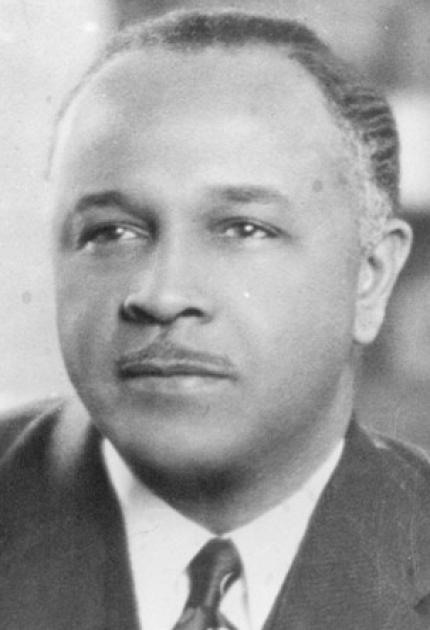
Percy Julian
1899–1975 · Chemistry, Medicines, Industrial research
Julian and colleague Josef Pikl achieved the laboratory synthesis of physostigmine, a compound used to treat glaucoma. Julian later developed efficient methods for producing medically useful compounds from plant materials. His industrial research helped make important substances available in larger quantities and at lower cost.
Image: National Inventors Hall of Fame portrait; original photographer not identified on inspected page
№ 21 · STEM
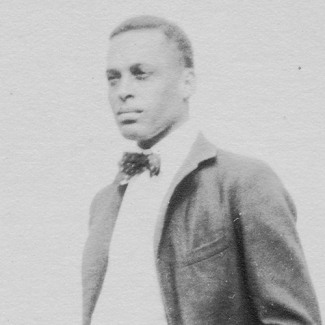
Ernest Everett Just
1883–1941 · Marine biology, Cell biology, Education
Just investigated how marine organisms' egg cells develop and how cell surfaces participate in fertilization. He combined teaching at Howard University with research at Woods Hole and European laboratories. His careful experiments and books helped scientists understand cells as living systems in their surroundings.
Image: Marine Biological Laboratory Archives; Ernest Everett Just, 1921
№ 22 · Humanities
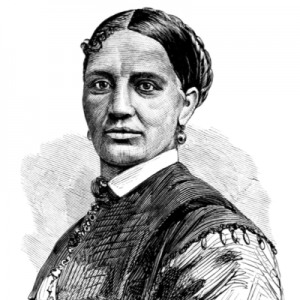
Elizabeth Hobbs Keckley
1818–1907 · Fashion design, Entrepreneurship, Writing, Mutual aid
Keckley built a successful dressmaking business, employing other women and designing for prominent Washington clients, including Mary Lincoln. She helped organize and lead relief work for people escaping slavery. Her 1868 autobiography preserved her experiences as a businesswoman and witness to life around the Lincoln White House.
Image: Portrait identified as Elizabeth Keckley by the National Women's History Museum; original creator not specified.
№ 23 · STEM
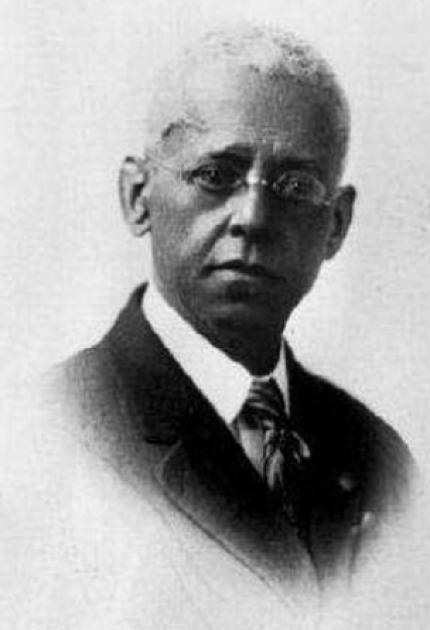
Lewis Latimer
1848–1928 · Electrical technology, Technical drawing, Invention
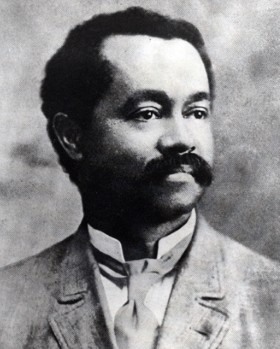
Latimer developed a method for manufacturing more durable carbon filaments for incandescent lamps. A skilled draftsman, he also prepared drawings for Alexander Graham Bell's telephone patent application. His career included installing electric-lighting systems and working on patent matters for the Edison Electric Light Company.
Image: National Inventors Hall of Fame portrait; original photographer not identified on the inspected page
№ 24 · Humanities
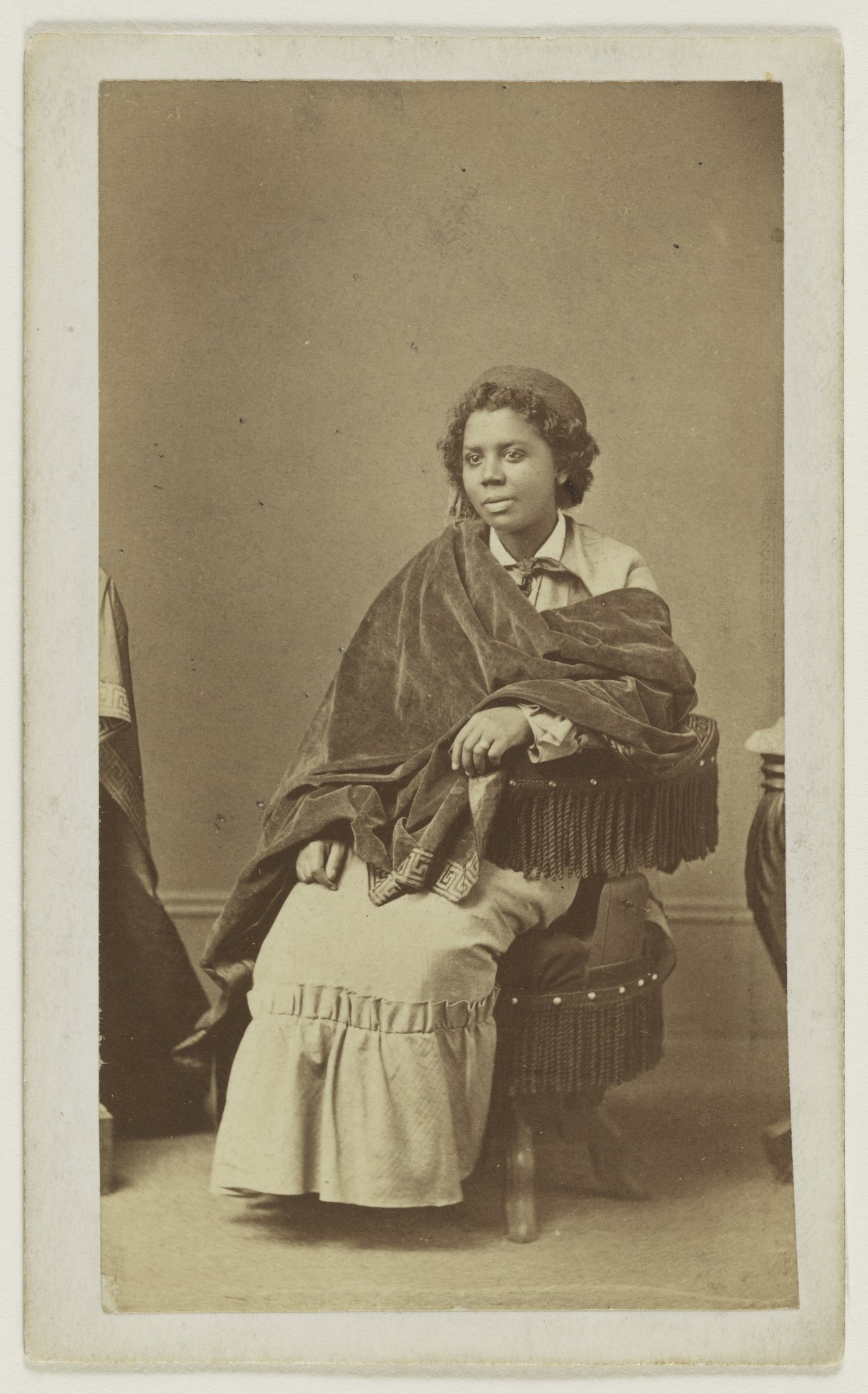
Edmonia Lewis
about 1844–1907 · Sculpture, Black and Indigenous history
Lewis developed an international career as a sculptor, moving from the United States to Rome and working in marble. Her subjects included abolitionists, women, freedom, and Indigenous heritage. She helped widen the possibilities for Black and Indigenous women in professional art during the nineteenth century.
Image: Henry Rocher, Edmonia Lewis, circa 1870. National Portrait Gallery, Smithsonian Institution, NPG.94.95. CC0; archival original downloaded via Wikimedia Commons.
№ 10 · Both
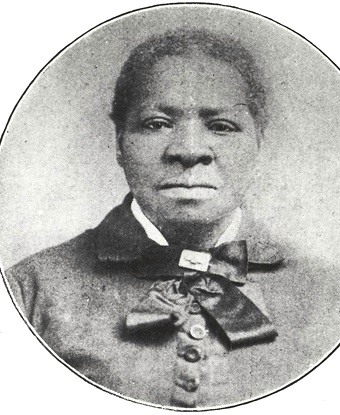
Bridget “Biddy” Mason
c. 1818–1891 · Nursing, Midwifery, Entrepreneurship, Community building
After gaining freedom through a California court proceeding in 1856, Mason worked as a nurse and midwife, purchased Los Angeles property, and used her resources to help neighbors. She supported people needing food and shelter and helped establish the city’s First African Methodist Episcopal Church.
Image: Portrait of Biddy Mason, date unknown; National Park Service
№ 11 · Humanities
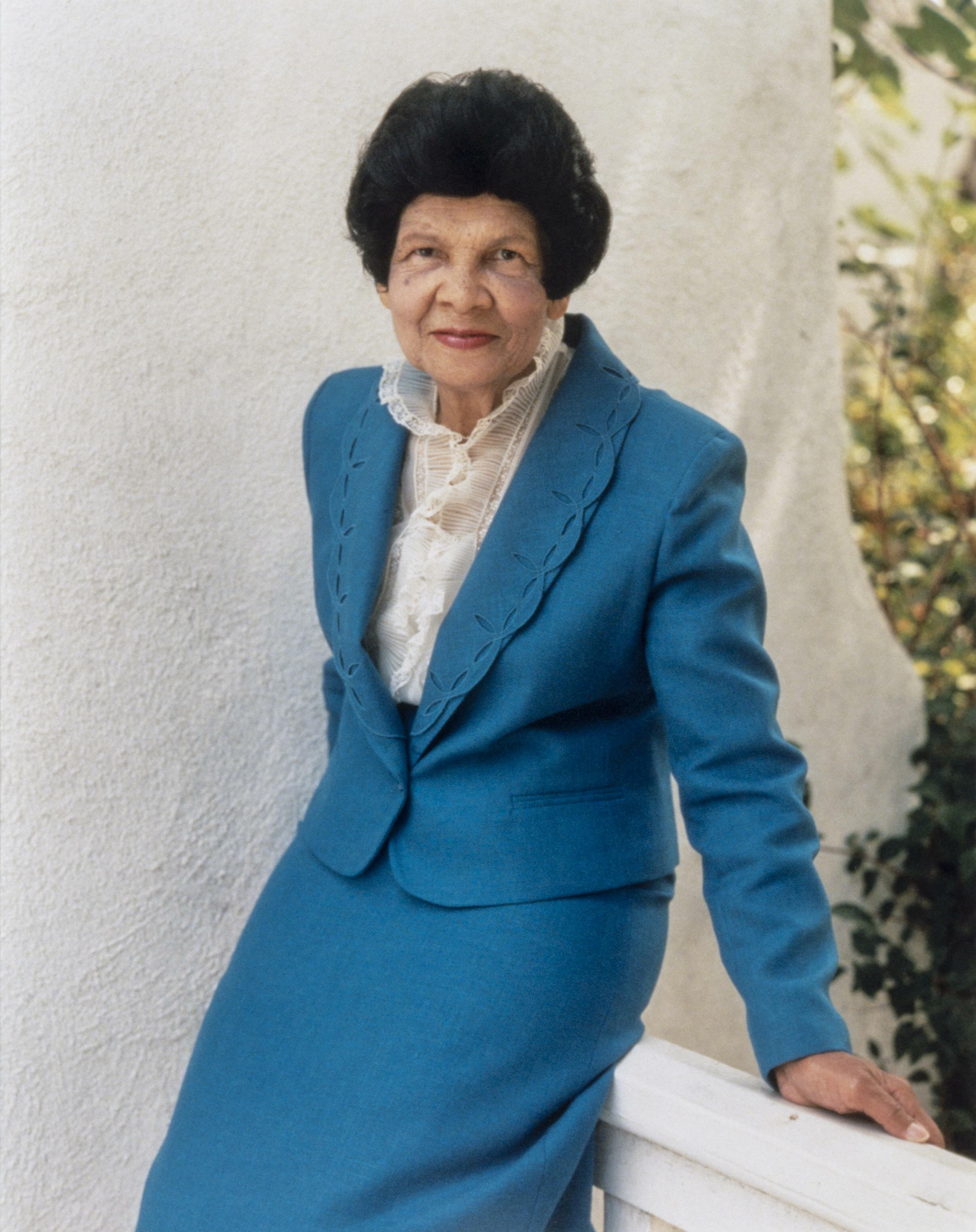
Miriam Matthews
1905–2003 · Librarianship, History, Archives
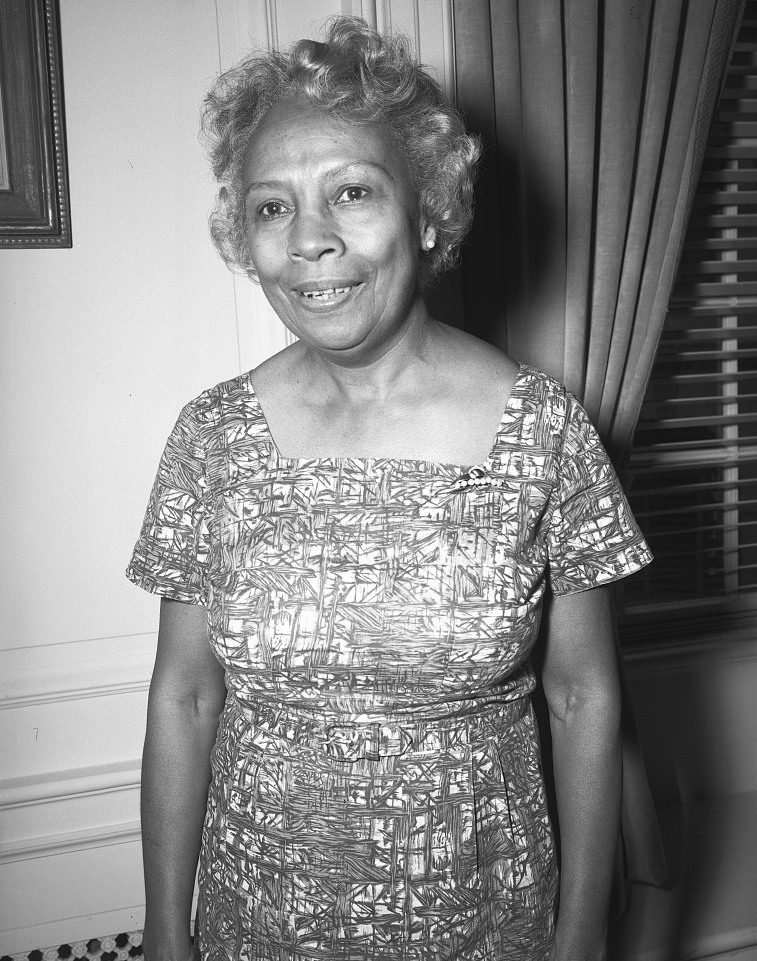
Matthews became the Los Angeles Public Library’s first Black librarian in 1927. She collected books, photographs, and records of African American life, defended the freedom to read, and later supervised twelve South Central branch libraries. Her collections helped preserve histories that institutions had too often overlooked.
Image: Judith Sedwick, Miriam Matthews. Schlesinger Library on the History of Women in America, Harvard University; Black Women Oral History Project. Via Wikimedia Commons.
№ 25 · Humanities
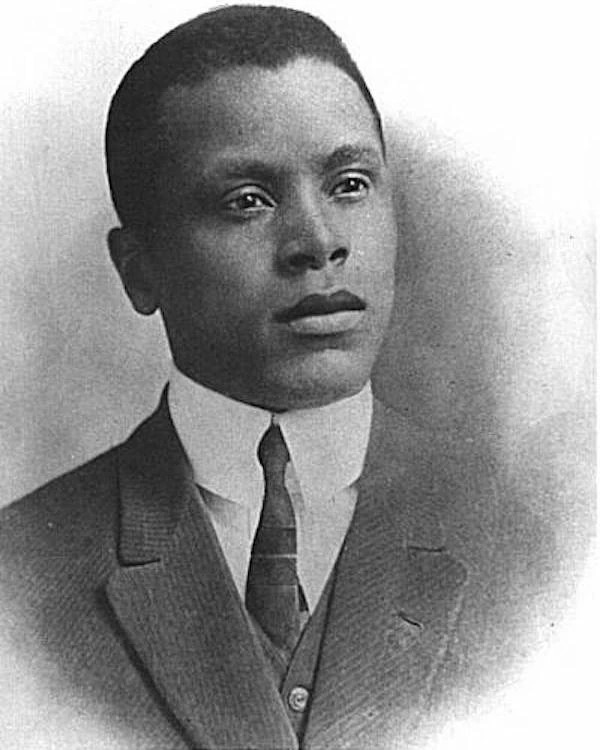
Oscar Micheaux
1884–1951 · Filmmaking, Writing, Entrepreneurship
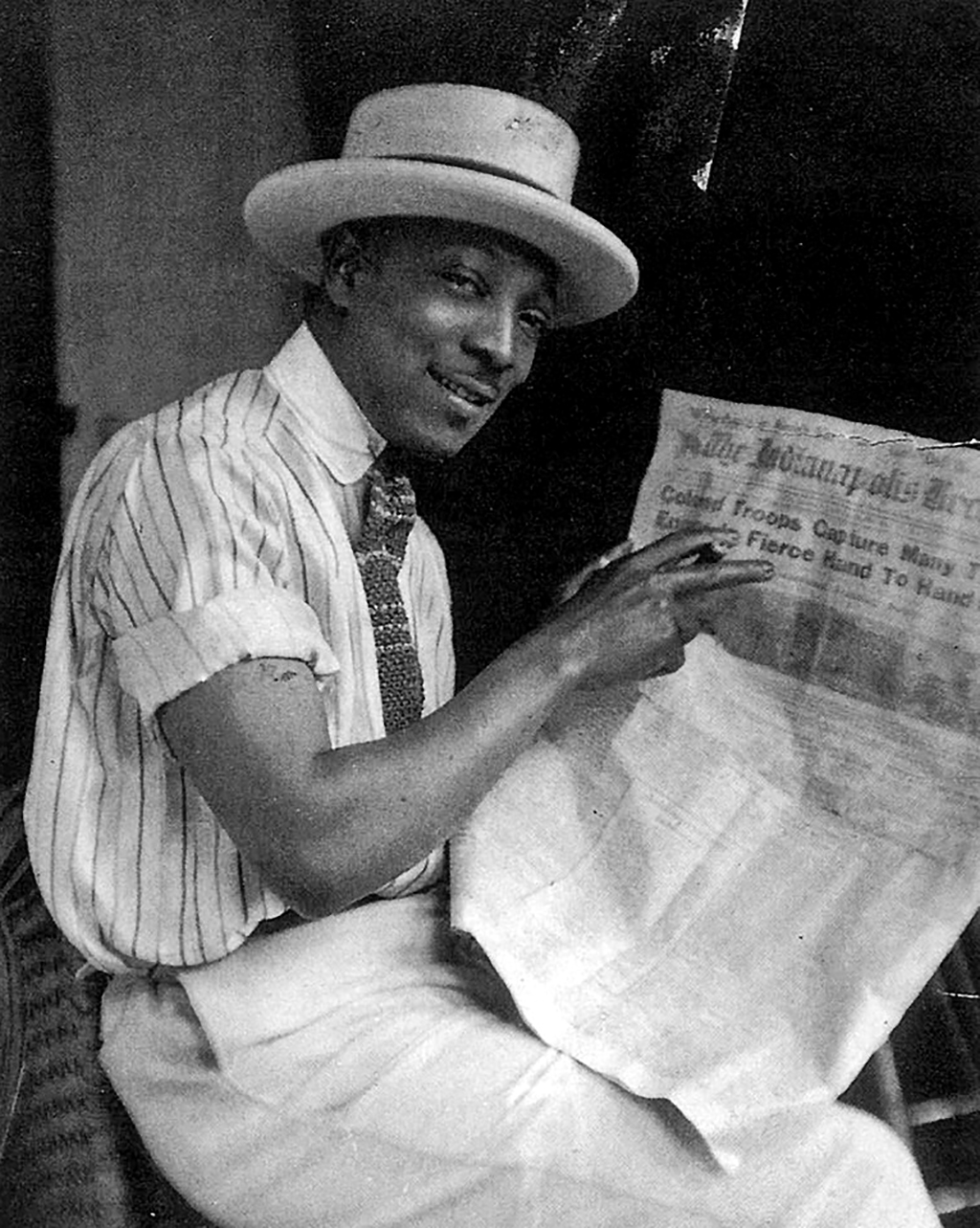
Micheaux built an independent career writing, producing, and directing films, beginning with The Homesteader in 1919. Across more than forty films, he portrayed Black people in varied roles, including professionals, and challenged racism. He expanded who could tell stories and whose lives appeared on screen.
Image: Portrait identified as Oscar Micheaux by the National Park Service; original photographer not specified.
№ 03 · Humanities
Mary Ellen Pleasant
Birth uncertain–1904 · Entrepreneurship, Civil rights, Community investment
Pleasant built businesses and invested in property in Gold Rush-era San Francisco. She supported Black community institutions and challenged exclusion from streetcars through the courts. Her story connects financial knowledge with civic action, while the incomplete historical record requires care with claims about her early life and abolitionist activities.
Image: Mary Ellen Pleasant; Wikimedia image via National Park Service
№ 26 · Humanities
Bayard Rustin
1912–1987 · Civil rights, Organizing, Nonviolent action, Human rights
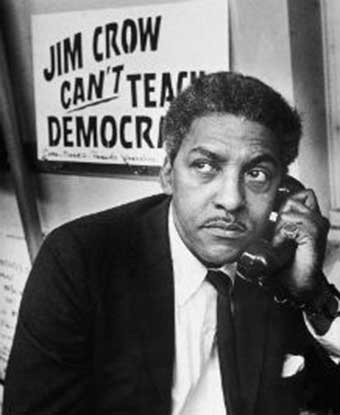
Rustin was a key planner of the 1963 March on Washington for Jobs and Freedom. He helped organize nonviolent civil rights campaigns and advised Martin Luther King Jr. about nonviolent resistance. His work shows how planning, coalition-building, and behind-the-scenes leadership make large collective actions possible.
Image: Bayard Rustin, about the 1950s; Human Rights Campaign, via National Park Service.
№ 27 · Humanities
Augusta Savage
1892–1962 · Sculpture, Arts education, Community leadership
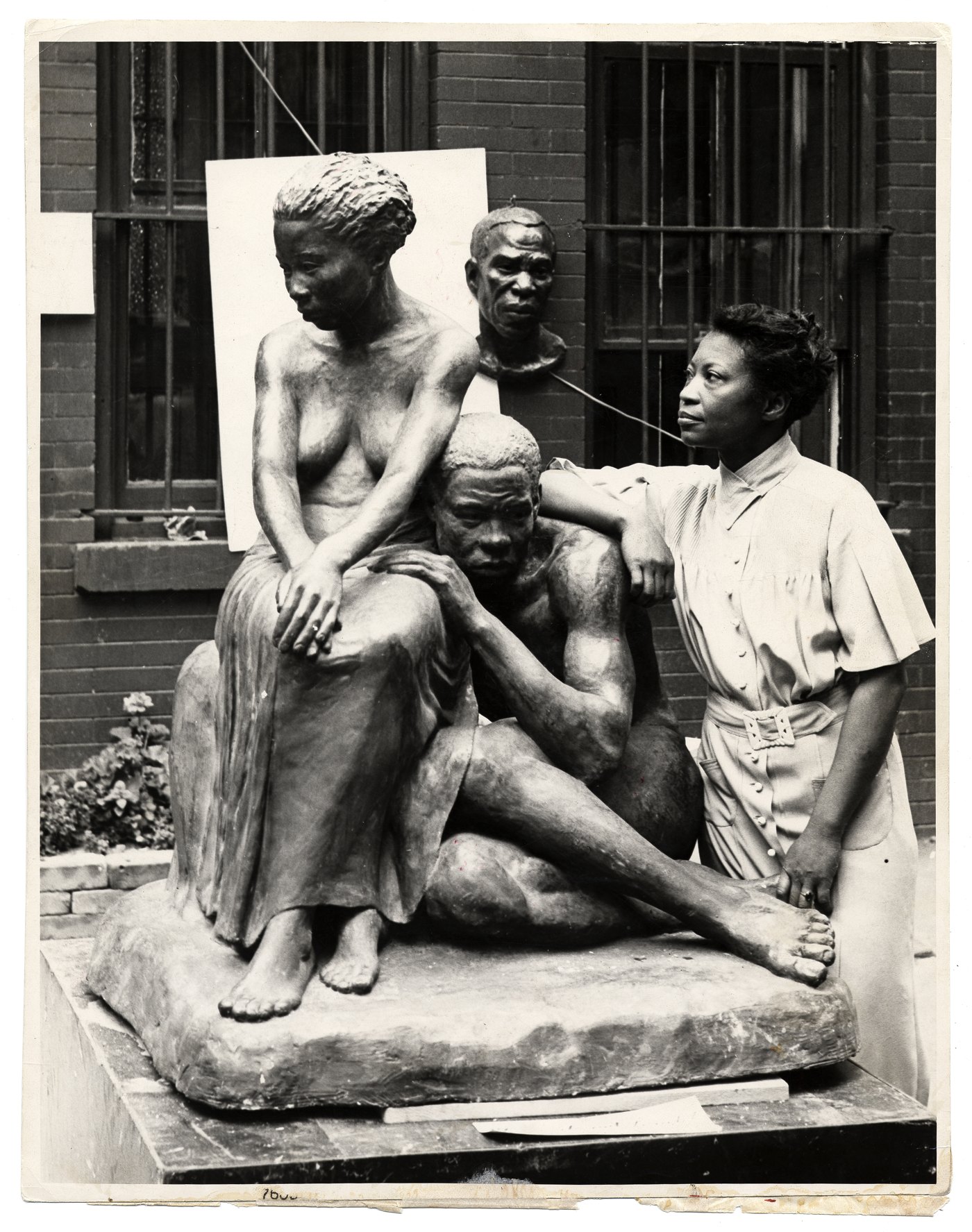
Savage created sculptures that honored Black people and became an influential teacher during the Harlem Renaissance. She opened a studio where young artists could develop their skills and directed the Harlem Community Art Center. Her legacy includes both her own artwork and the artists she encouraged.
Image: Andrew Herman, Augusta Savage with her sculpture Realization, circa 1938. Federal Art Project, Photographic Division collection, Archives of American Art, Smithsonian Institution, item 2371. U.S. public domain.
№ 28 · Humanities
Arturo Alfonso Schomburg
1874–1938 · Archives, Historical research, Libraries, Afro-Latino history
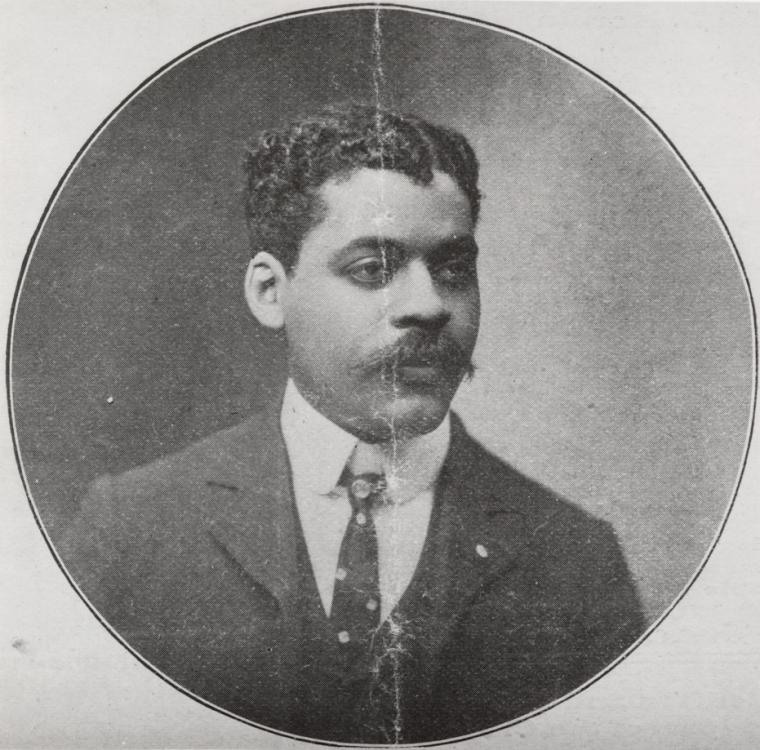
Schomburg collected books, manuscripts, and artwork documenting Black history across the African diaspora. New York Public Library purchased his collection in 1926, helping form the foundation of today's Schomburg Center. He also wrote historical articles and worked as a curator in New York and at Fisk University.
Image: From The New York Public Library, Schomburg Center for Research in Black Culture, Photographs and Prints Division; portrait issued 1904.
№ 29 · Both
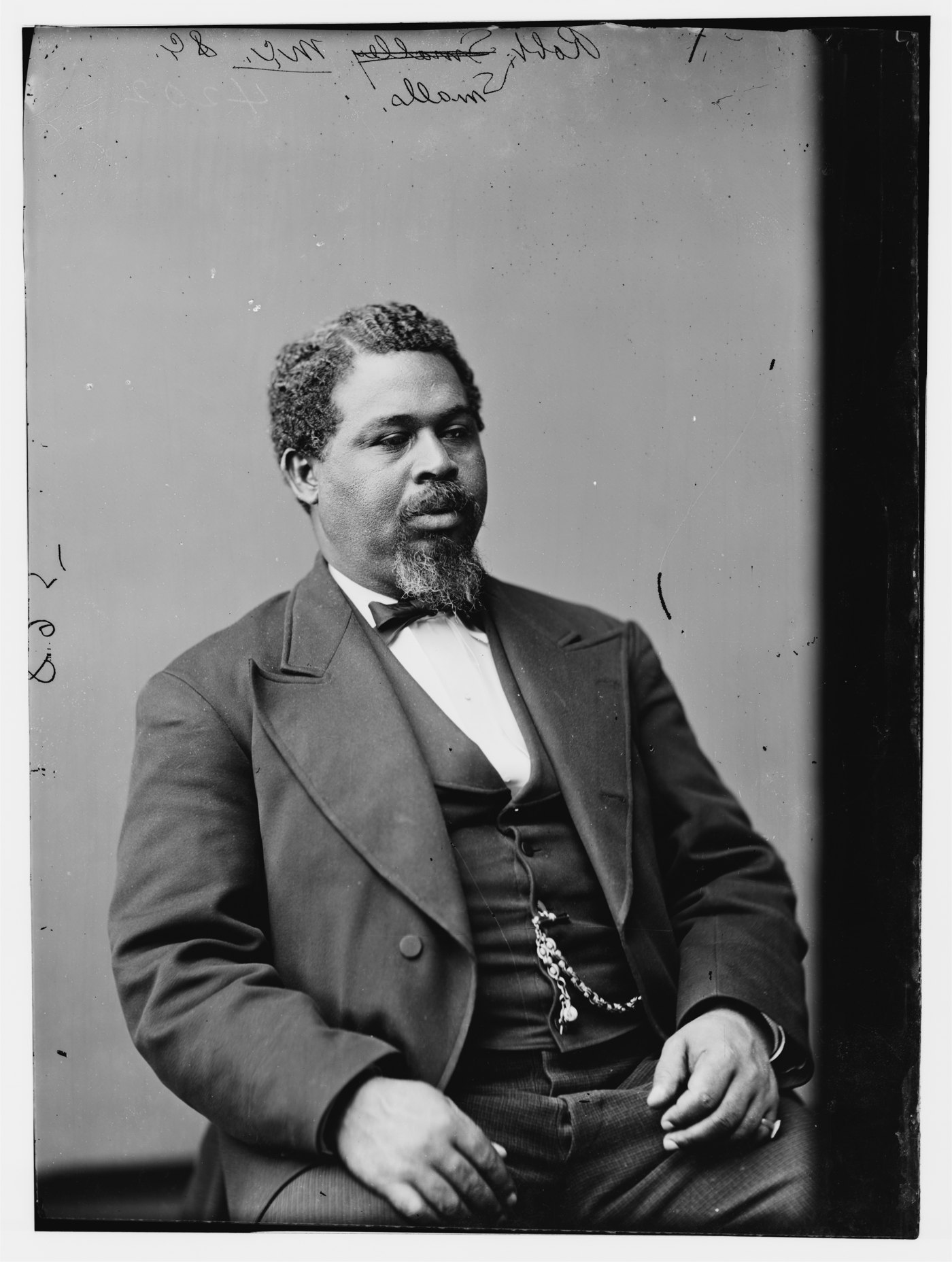
Robert Smalls
1839–1915 · Navigation, Civic leadership, Public education
Smalls used his knowledge of Charleston Harbor to lead fellow enslaved people and their families to freedom aboard the Planter in 1862. He later served as a ship captain and elected leader in South Carolina and Congress. His life connects skilled navigation with collective action and public service.
Image: Robert Smalls, between 1870 and 1880. Brady-Handy photograph collection, Library of Congress, Prints and Photographs Division, LC-DIG-cwpbh-03683.
№ 04 · Humanities
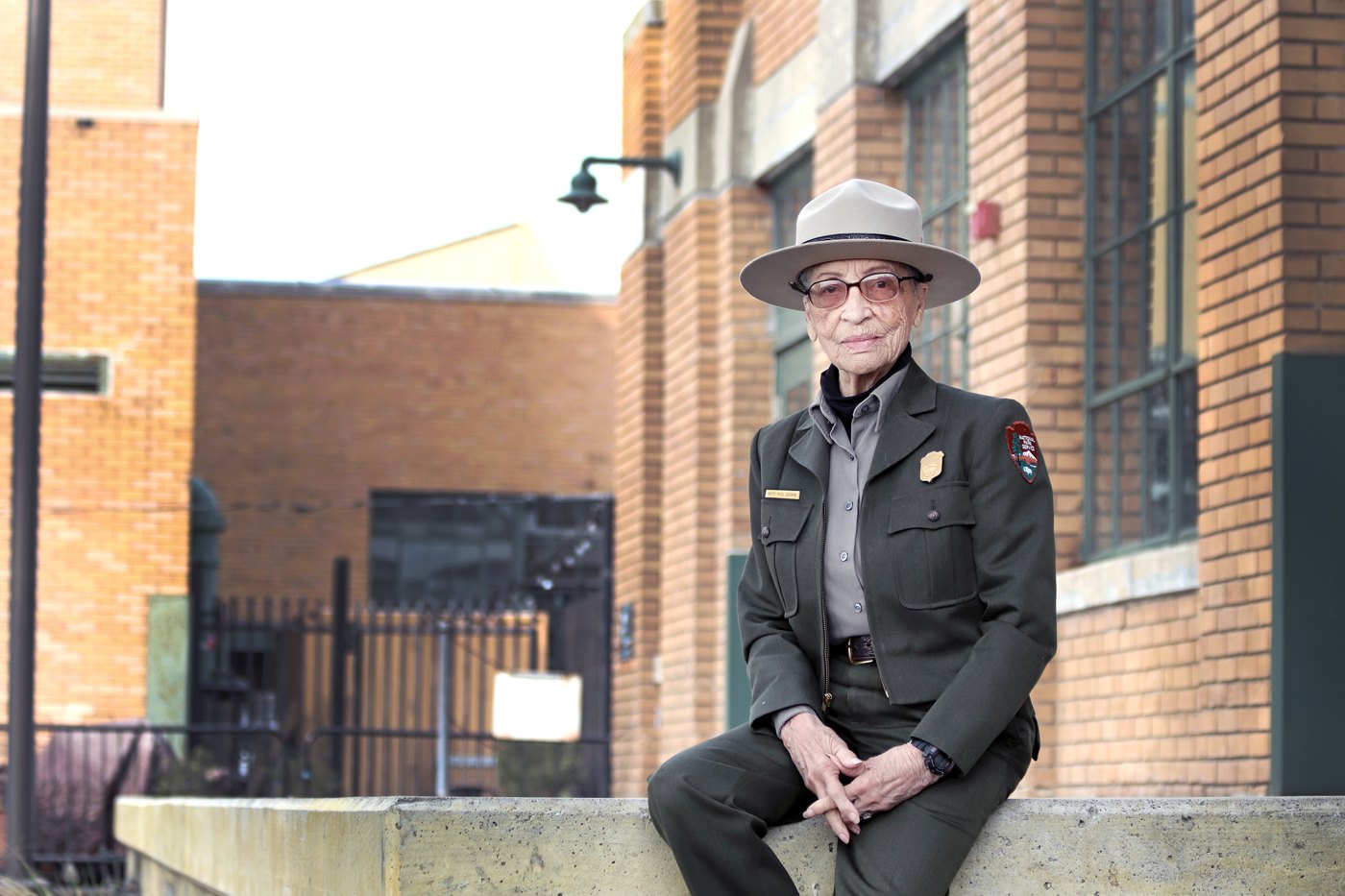
Betty Reid Soskin
1921–2025 · Public history, Music, Entrepreneurship
Soskin helped make Black workers’ experiences part of the public history told at Rosie the Riveter/WWII Home Front National Historical Park. A record-store cofounder, songwriter, and community advocate, she later became a park ranger and shared firsthand memories that complicated a one-story account of wartime work.
Image: NPS photo / Luther Bailey.
№ 12 · Humanities
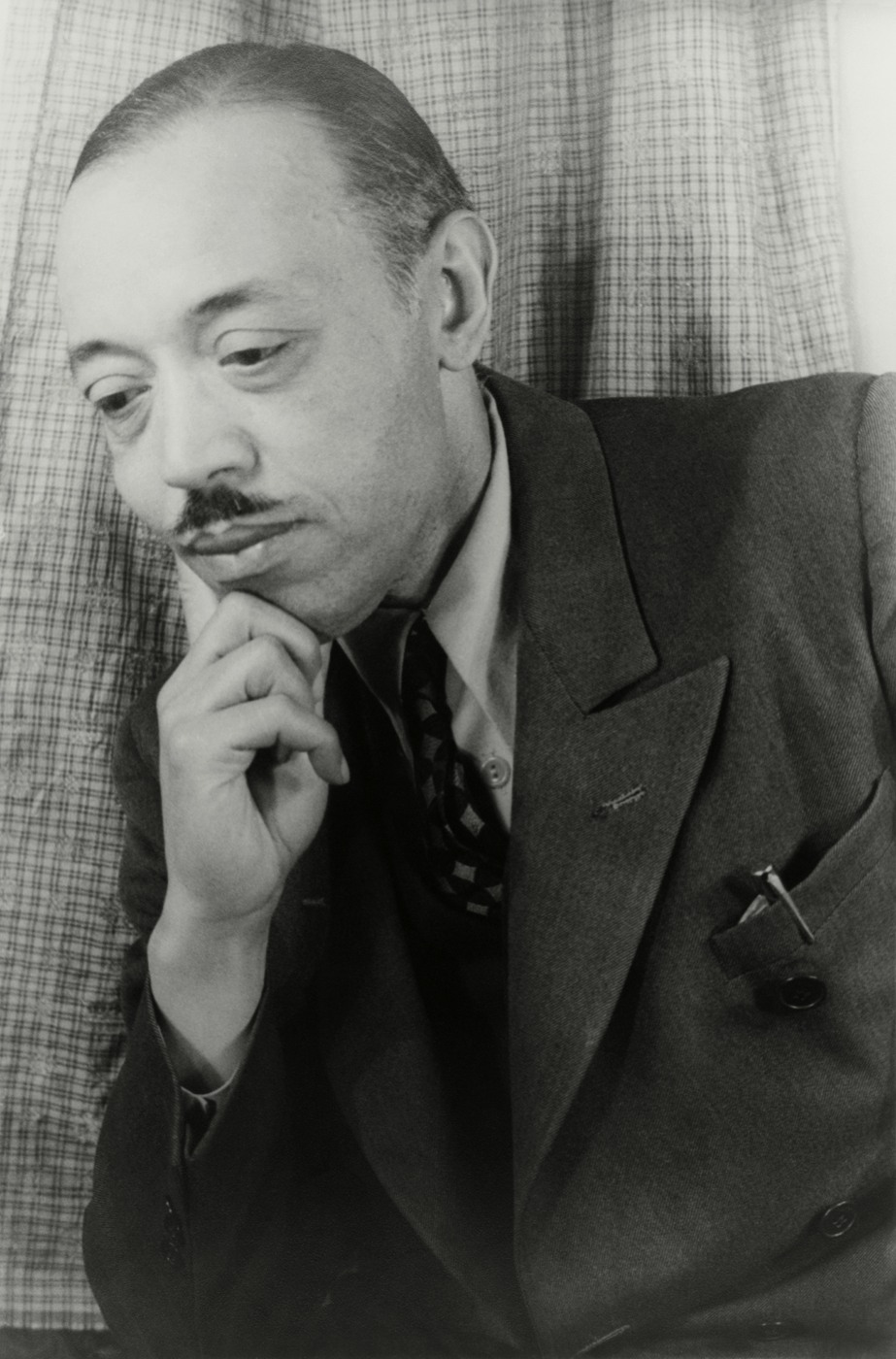
William Grant Still
1895–1978 · Composition, Orchestral music, Conducting
Still composed symphonies, operas, and other concert works that brought African American musical traditions into orchestral settings. His Afro-American Symphony was performed by the Rochester Philharmonic in 1931. In 1936, he conducted the Los Angeles Philharmonic, breaking a major racial barrier in American orchestral life.
Image: Carl Van Vechten, 1949; Library of Congress; restoration by Adam Cuerden
№ 30 · STEM
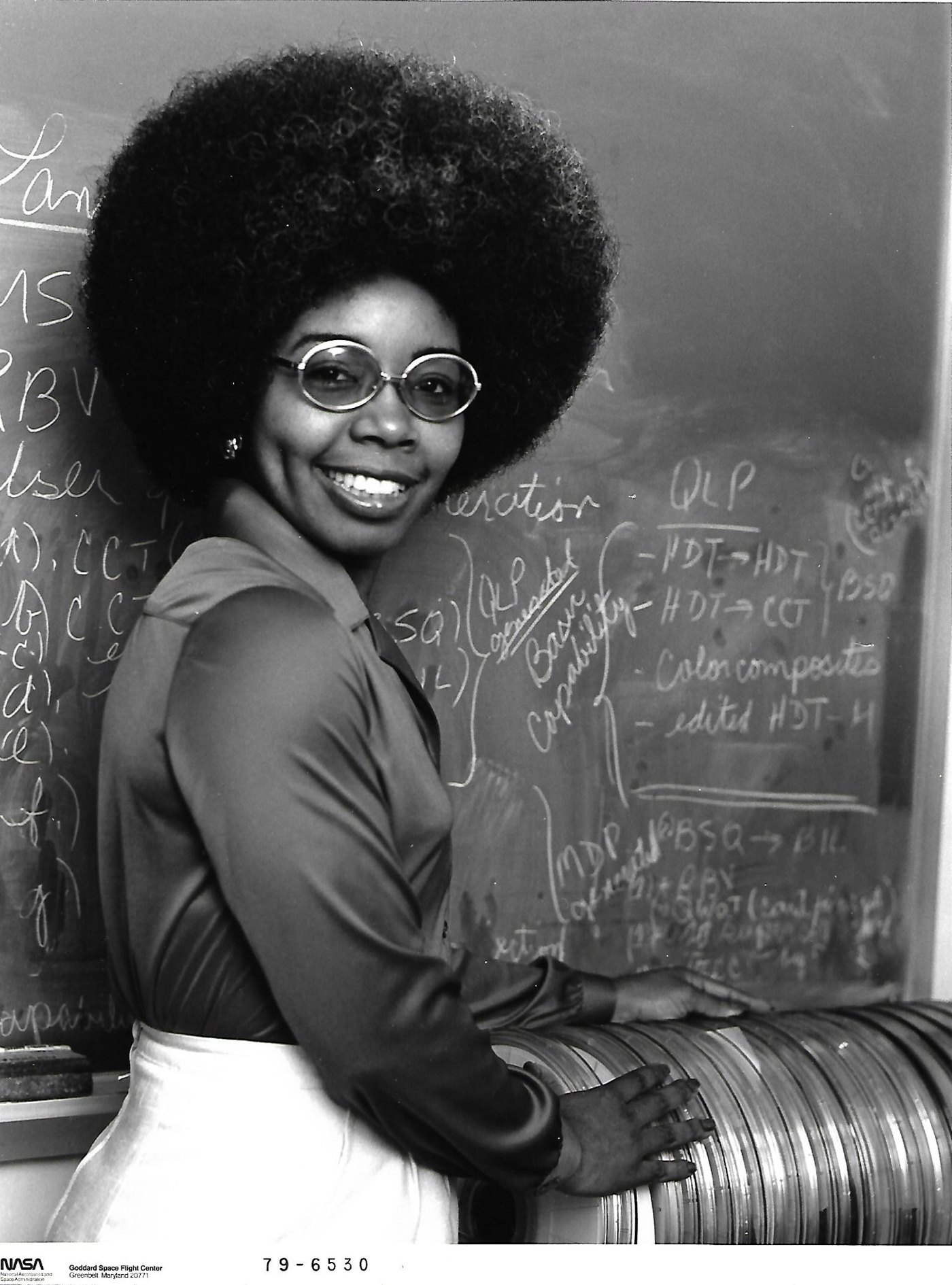
Valerie Thomas
Born 1943 · Physics, Satellite imaging, Computer systems
Thomas managed development of systems that processed Landsat satellite data, helping researchers turn observations from space into useful information about Earth. She also patented an illusion transmitter in 1980, using concave mirrors to produce three-dimensional optical effects, and encouraged young people to pursue STEM.
Image: NASA Goddard Space Flight Center, photograph 79-6530 (1979).
№ 31 · STEM
Charles Henry Turner
1867–1923 · Animal behavior, Entomology, Education
Turner designed experiments showing that insects can learn from experience and respond to visual patterns. He published more than seventy papers while teaching, including at Sumner High School in St. Louis. His investigations challenged the idea that insect behavior was only automatic response.
Image: University of Cincinnati; photograph of Charles Henry Turner, original photographer not identified on inspected page
№ 36 · Humanities
James Van Der Zee
1886–1983 · Photography, Visual storytelling, Community history
Van Der Zee photographed Harlem's families, celebrations, organizations, and public life. His carefully composed portraits emphasized dignity, beauty, and aspiration. Over a long career, he created an extensive visual record of Black community life, including ordinary residents whose stories might otherwise receive little space in history books.
Image: James Van Der Zee, Self-portrait, 1918. Via BlackPast and Wikimedia Commons.
№ 32 · Humanities
Dorothy Porter Wesley
1905–1995 · Libraries, Archives, Historical research
Porter Wesley spent 43 years developing Howard University's collection of Black history and culture. She gathered books and other records, created research tools, and developed a classification system suited to the collection. Her work made a wider range of Black knowledge visible and accessible to scholars.
Image: Library of Congress, Photoduplication Service, June 2, 1970; LC-DIG-ds-10194. Crop via Wikimedia Commons.
№ 33 · STEM
Gladys West
1930–2026 · Mathematics, Geodesy, Computer programming
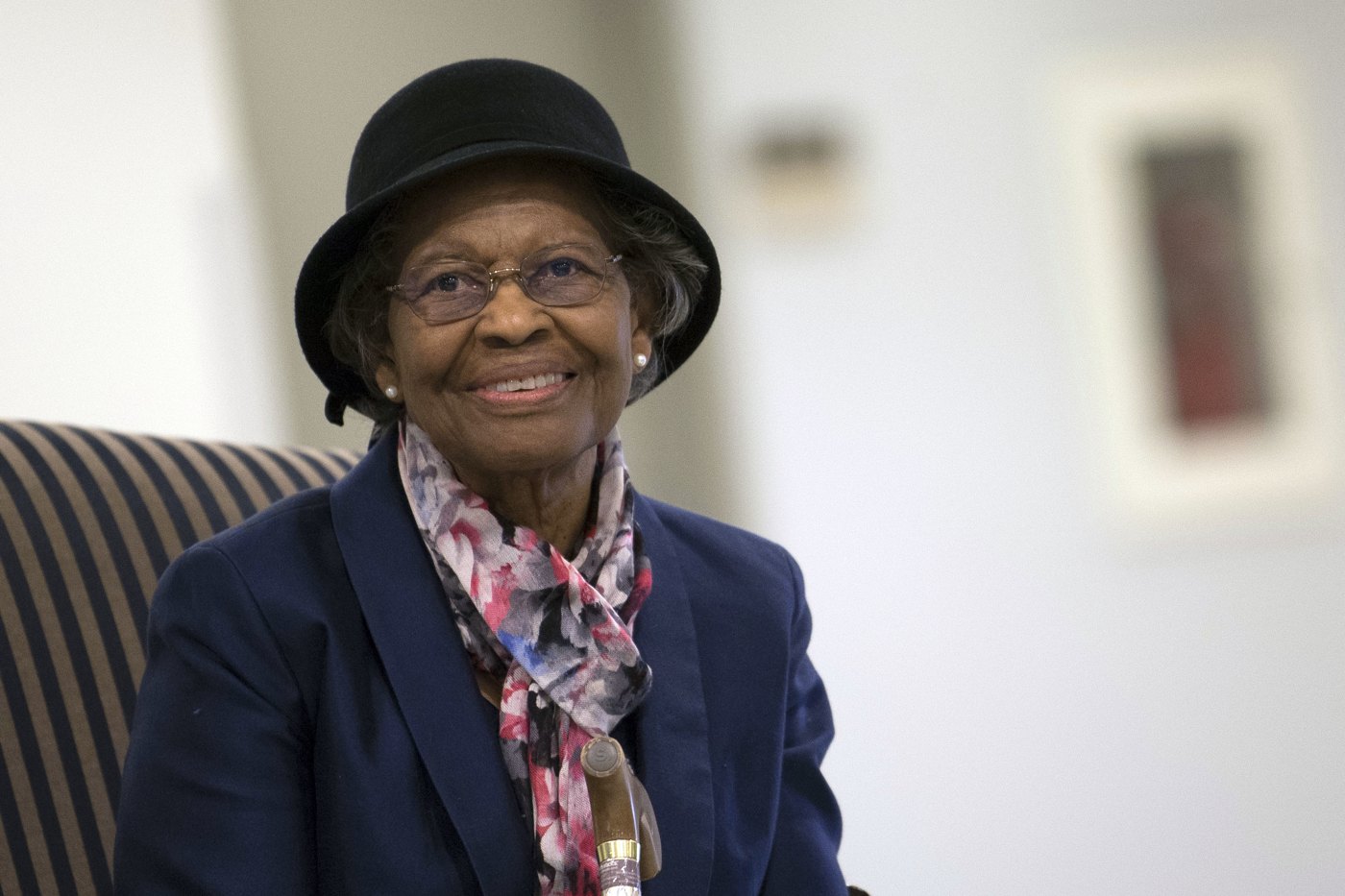
West programmed computers to calculate a more accurate model of Earth's shape, accounting for gravity and other forces. Her satellite-geodesy work at the Navy's Dahlgren laboratory helped provide mathematical foundations used in GPS. She contributed as part of a larger scientific and engineering effort.
Image: Adrian Cadiz / Secretary of the Air Force Public Affairs, 181206-F-DT527-087 (2018).
№ 13 · Both
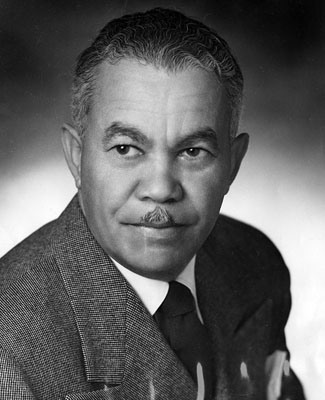
Paul Revere Williams
1894–1980 · Architecture, Design, Engineering
Williams designed thousands of buildings across a career spanning nearly six decades, including homes, churches, and civic structures. He became the American Institute of Architects’ first African American member. His work combined artistic choices with technical planning and helped shape the everyday built environment of Los Angeles.
Image: Paul R. Williams, 1951; Herald-Examiner Collection/Los Angeles Public Library
№ 34 · STEM
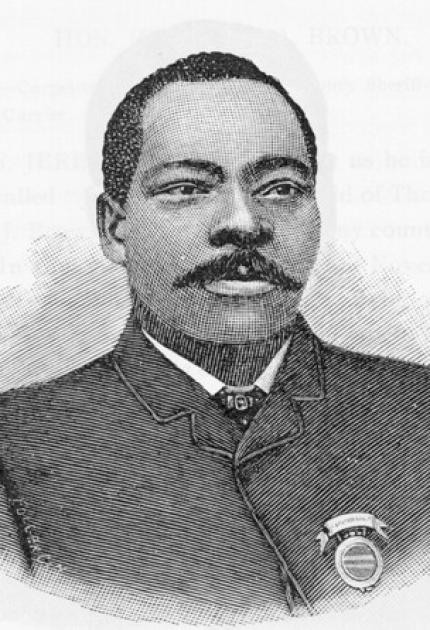
Granville T. Woods
1856–1910 · Electrical engineering, Rail transportation, Invention
Woods developed electrical inventions for transportation and communication, including railway telegraphy that allowed messages involving moving trains. His work also included a device combining telephone and telegraph functions. He built a career as an inventor by improving systems that connected people and moved them between places.
Image: National Inventors Hall of Fame portrait; original creator not identified on inspected page
№ 35 · Humanities
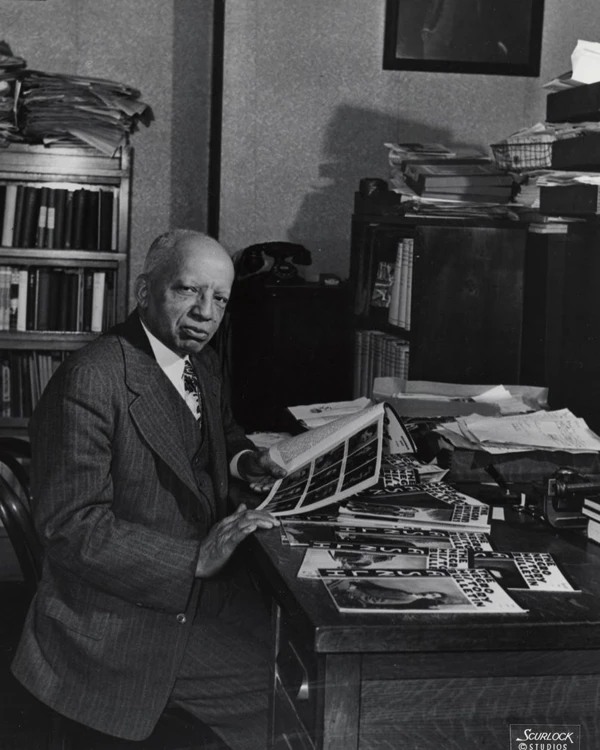
Carter G. Woodson
1875–1950 · History, Education, Publishing
Woodson built institutions that helped make Black history part of public learning. He co-founded a historical association, created publications, supported researchers, and provided resources to educators. He challenged the omission of African Americans from school history and helped establish Black history as a serious field of study.
Image: Scurlock Studio Records, Archives Center, National Museum of American History, Smithsonian Institution; via National Park Service.
№ 05 · Both
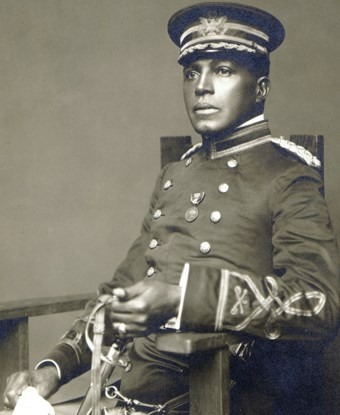
Charles Young
1864–1922 · Conservation, Park management, Civil engineering, Public service
In 1903, Young served as acting superintendent of Sequoia and General Grant national parks, becoming the first African American national park superintendent. He supervised work that completed access to the Giant Forest and improved trails, while his troops protected park resources from poaching and unauthorized grazing.
Image: National Afro-American Museum and Cultural Center, Wilberforce, Ohio; Charles Young, 1916
Black Muze Initiative · edition 1.0