Nursing · Midwifery · Entrepreneurship · Community building
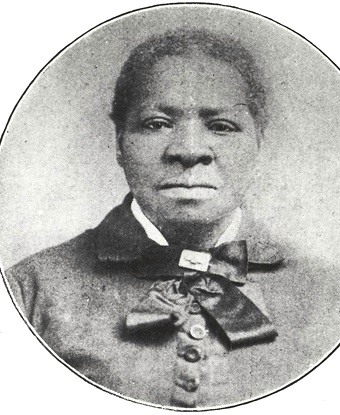
Bridget “Biddy” Mason
c. 1818–1891Uncertain: Approximate birth year
After gaining freedom through a California court proceeding in 1856, Mason worked as a nurse and midwife, purchased Los Angeles property, and used her resources to help neighbors. She supported people needing food and shelter and helped establish the city’s First African Methodist Episcopal Church.[1],[2],[3]
Read this story
After gaining freedom through a California court proceeding in 1856, Mason worked as a nurse and midwife, purchased Los Angeles property, and used her resources to help neighbors. She supported people needing food and shelter and helped establish the city’s First African Methodist Episcopal Church.[1],[2],[3]
Local connection. Her nursing, property ownership, and community giving were based in Los Angeles; Biddy Mason Memorial Park marks her former downtown property.
Impact reached: Los Angeles families and institutions. (Impact describes who was reached; it is not a place of residence.)
From institutional research
Deeper context
Responsible relationships in historical commemoration
National Council on Public History · Katie Singer · 2019-06-11
Writing for National Council on Public History, Katie Singer describes the following. The Biddy Mason Memorial Park was completed in 1989 through a collaboration involving Dolores Hayden’s Power of Place organization. The site combines a chronological wall by Sheila Levrant deBretteville with Betye Saar’s installation Biddy Mason: House of the Open Hand. The article examines how upkeep, visibility, access, and community relationships shape the educational value of historical places.[4]
Inquiry & making
Inquiry and making prompt
Draw a neighborhood map. Where could people find care, food, shelter, or help?
Places
Where Bridget was born, had roots or studied, and worked — distinguished from where their impact reached.
- Born
- U.S. South; Georgia/Mississippi disputed
- Roots / education
- Mississippi; Utah; San Bernardino, California
- Worked
- Los Angeles, California
| Relationship | Documented place | Map point | Sources |
|---|---|---|---|
| Roots / education | San Bernardino, California | San Bernardino city, CACensus representative point | [1][2][3] |
| Work | Los Angeles, California | Los Angeles city, CACensus representative point | [1][2][3] |
| Birthplace | U.S. South; Georgia/Mississippi disputed | Not mapped — Uncertain or disputed historical location: excluded from numeric distance ranking. | |
| Roots / education | Mississippi | Not mapped — Broad state, region, country, or non-geographic identity: no defensible point assigned. | |
| Roots / education | Utah | Not mapped — Broad state, region, country, or non-geographic identity: no defensible point assigned. | |
Timeline
c. 1818
Born[2]
Uncertainty: Approximate birth year
1856
After gaining freedom through a California court proceeding in 1856, Mason worked as a nurse and midwife, purchased Los Angeles property, and used her resources to help neighbors.[1],[2],[3]
Date from the article's life dates/text; see references.
1891
Died[1]
1989
LegacyThe Biddy Mason Memorial Park was completed in 1989 through a collaboration involving Dolores Hayden’s Power of Place organization.[4]
Gallery
Portrait only in this edition; no reuse-supported contextual media has been verified for this figure yet.
References
- [1]National Park Service: Biddy Mason
Supports: Life dates, freedom case, nursing, property and philanthropy.
- [2]Los Angeles Superior Court: Biddy Mason
Supports: Freedom case and alternative birthplace.
- [3]California State Archives: Biddy Mason
Supports: Spring Street property and memorial park.
- [4]Responsible relationships in historical commemoration
National Council on Public History · Katie Singer · 2019-06-11
Supports: The Biddy Mason Memorial Park was completed in 1989 through a collaboration involving Dolores Hayden’s Power of Place organization. The site combines a chronological wall by Sheila Levrant deBretteville with Betye Saar’s installation Biddy Mason: House of the Open Hand. The article examines how upkeep, visibility, access, and community relationships shape the educational value of historical places.
Last reviewed 2026-11-08 · Initial research edition · Record ID biddy-mason. A curated, source-informed article — not openly editable and not independently scholar-reviewed. Corrections process.